US, China expel journalists in tit‑for‑tat diplomatic moves

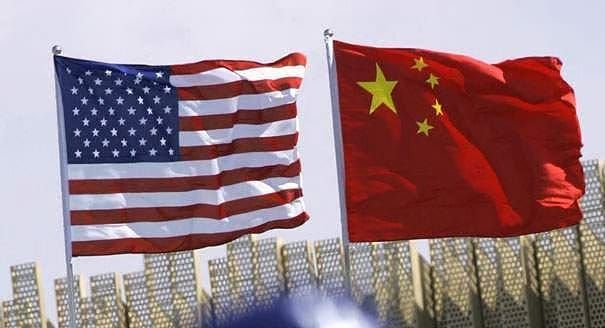
WASHINGTON : The Trump administration revoked the visa of a Chinese national employed by state news agency Xinhua on Friday, in a likely reciprocal response to Beijing’s recent expulsion of New York Times correspondent Vivian Wang. A U.S. official and a person familiar with the matter confirmed the visa revocation, with the source speaking on condition of anonymity because of visa privacy rules. A State Department official said there was a plan to revoke the credential. Beijing expelled Wang after The New York Times’ DealBook Summit included a recorded interview with Taiwan’s President Lai Ching-te, during which the host referred to Taiwan as a country and Lai criticized Beijing’s posture toward the island. The Times has said Wang played no role in the event and has urged Chinese authorities to reinstate her accreditation.
The newspaper’s executive editor, Joseph Kahn, said Wang’s expulsion will further thin the already reduced presence of U.S. media in China at a time when coverage of the country is crucial. Several U.S. news organizations now operate with skeleton staffs in their China bureaus after earlier rounds of credential disputes. China requires foreign journalists to hold accreditation from its foreign ministry and has in recent years used visa and credential rules to expel reporters or limit their stays in response to coverage it deems hostile.
In 2020, for example, Beijing expelled three Wall Street Journal correspondents after the paper published an opinion piece critical of China. That year also saw more than a dozen expulsions or shortened visas for U.S. news staff, according to the Foreign Correspondents’ Club of China. The U.S. move marks a rare instance of direct retaliation by the U.S. government for China’s expulsion of an American journalist. The New York Times said it does not ask governments to revoke media credentials and urged both governments to “reverse this deterioration in journalist access.”
The Chinese embassy in Washington did not immediately respond to requests for comment. Wang had been a Times correspondent in China since 2020, part of a limited post-2020 arrangement that allowed a small number of U.S. journalists to operate in mainland China. Media organizations now face added caution about interviewing Taiwanese officials or others Beijing considers sensitive, for fear of jeopardizing reporting access.