Singapore Acts Against Online Content Targeting Indian Community, Reaffirms Commitment to Racial Harmony
Singapore, June 6: Singapore has ordered three major social media platforms to block access to a series of online posts that authorities say target the Indian community and seek to undermine the nation’s long-standing model of multiculturalism and racial harmony.
The Ministry of Home Affairs (MHA) announced on Saturday that the Singapore Police Force had issued disabling directions under the Online Criminal Harms Act (OCHA) against 14 posts circulating on YouTube, Facebook and X (formerly Twitter). The platforms have been instructed to take reasonable steps to prevent Singapore users from accessing the content.
The move comes after investigations revealed that the material likely originated from a China-based online platform before being amplified across various social media channels and websites.
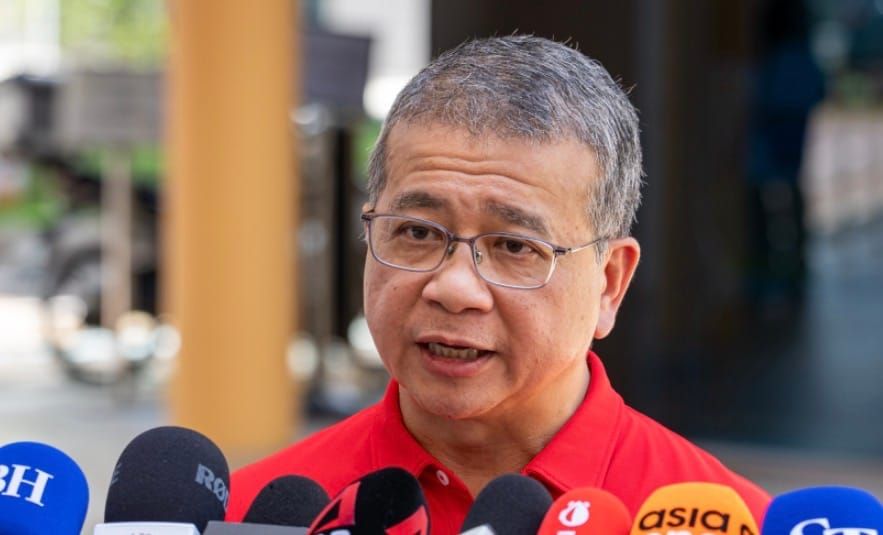
Speaking to reporters on Saturday, Second Minister for Home Affairs and Minister for Law Edwin Tong said the content represented a direct attack on Singapore’s multiracial society.
“These videos attack our multiracial society and try to divide people based on race. This is not who we are. Every community in Singapore is valued and has an equal place,” Mr. Tong said.
Inflammatory Narratives
According to MHA, the posts promoted narratives suggesting that Singapore was experiencing anxiety over its cultural identity and ethnic composition. Some of the content claimed that Singapore’s multicultural policies were merely a façade designed to appeal to Western audiences, while others argued that the country’s stability was due solely to its ethnic Chinese majority.
Authorities said the posts also falsely suggested that an increasing number of ethnic Indian politicians would prioritise the interests of Indian immigrants, while portraying Singapore’s culture as fundamentally Chinese and warning against the country’s evolving demographic diversity.
Particularly concerning was the selective use of images and videos depicting crowded scenes in Little India and religious gatherings involving the Indian community. Authorities said these visuals were presented out of context to create the impression that Singapore was being “overrun” by Indians.
The ministry further noted that some of the posts employed derogatory language when referring to Indians, including remarks comparing demographic changes to an increasing “concentration of curry”.
No Evidence of State Involvement
Mr. Tong clarified that there is currently no evidence indicating that the content was part of a coordinated campaign directed by any government.
Investigations suggest that the narratives were generated and shared organically by foreign internet users. Nevertheless, the minister stressed that Singapore would not tolerate attempts by external actors to exploit racial differences or sow discord within its society.
“Any country seeking to safeguard its social cohesion would take a similar stance,” he said.
Protecting Singapore’s Social Fabric
Singapore has long regarded racial and religious harmony as a cornerstone of nation-building. Since independence, the city-state has pursued policies aimed at fostering integration among its diverse Chinese, Malay, Indian and other communities.
MHA reiterated that Singapore firmly opposes both xenophobia and nativism, warning that efforts to pit one community against another threaten the country’s social cohesion.
“Any attempt to divide Singaporeans along racial lines must be firmly rejected. These attacks coming from a foreign source are doubly unacceptable,” the ministry said.
The government also reminded the public that promoting enmity between racial groups is a serious offence under Singapore law and can result in imprisonment and fines.
Call for Vigilance
Authorities urged Singaporeans to remain discerning when consuming online content, particularly material originating from unfamiliar or overseas sources.
Mr. Tong encouraged members of the public to critically evaluate the intent behind such narratives and refrain from sharing content that could damage social harmony.
The incident highlights a growing challenge faced by societies worldwide, where online misinformation and divisive narratives can rapidly cross borders and influence public discourse. Singapore’s swift intervention reflects its continued commitment to preserving the trust, inclusiveness and mutual respect that underpin its multicultural society.
For Singapore’s Indian community, which has played a significant role in the nation’s development across politics, business, education and public service, the government’s response sends a clear message that attempts to marginalise or vilify any community will not be tolerated.
As Singapore navigates an increasingly complex digital information landscape, safeguarding racial harmony remains not only a policy priority but a national imperative.