Beyond the shopping bags, a little of India’s enterprise and imagination
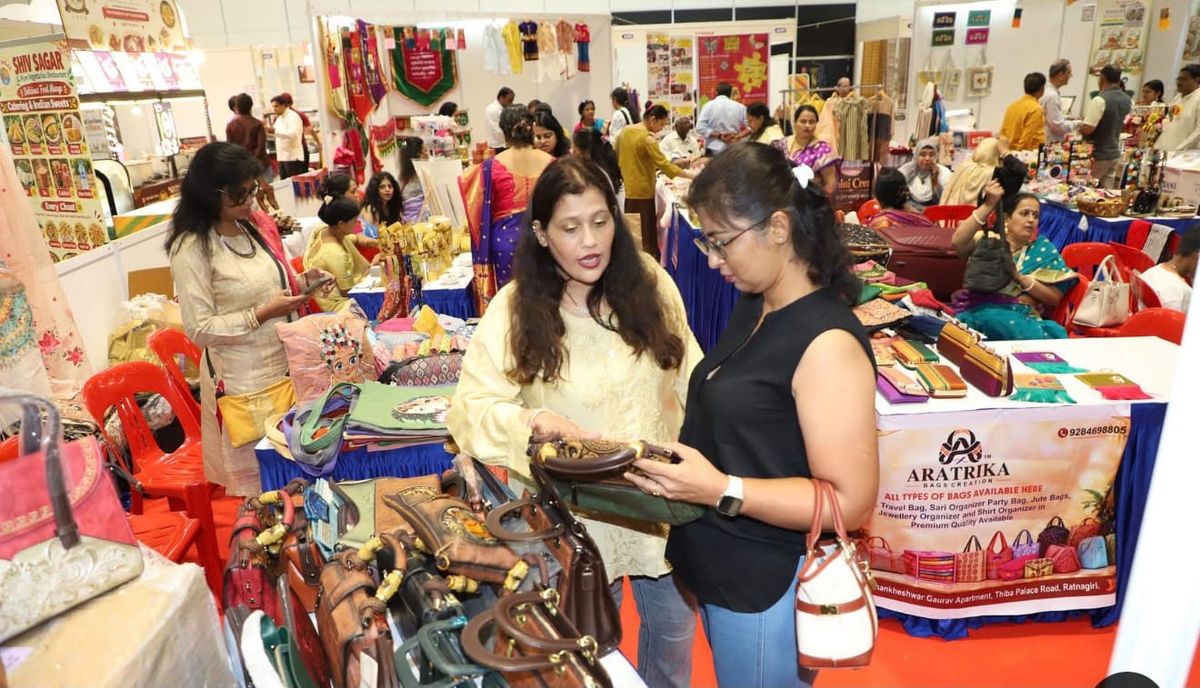
Fifty women entrepreneurs from Maharashtra, a biryani festival, herbal traditions and edible spoons bring stories of ambition and invention to Namaste Bharat 2026 at Suntec Singapore.
SINGAPORE: A spoon that can become part of the meal. Herbal hair oils presented by sales representatives whose flowing locks make a striking introduction. And, amid the search for a new outfit or a piece of jewellery, an invitation to consider the spiritual significance of what one wears.
At Namaste Bharat 2026, shopping provides the starting point for encounters that travel well beyond the transaction.
Running until October 25 at Hall 405, Suntec Singapore Convention and Exhibition Centre, the exhibition brings together around 150 exhibitors from across India. There are textiles, handicrafts, jewellery and food, but also the people who give these products their context: makers seeking new customers, women taking their enterprises overseas, and businesses finding fresh uses for familiar ingredients.
For visitors willing to pause between purchases, the pleasure lies as much in the conversation as in the discovery.
Fifty women, a shared leap
That sense of discovery finds a substantial expression in the Maharashtra pavilion, where a delegation of 50 women entrepreneurs has brought together handicrafts, traditional foods, textiles, jewellery and millet products.
The delegation comes through ZHEP, a women’s entrepreneurship network whose tagline, “Leap of Women Entrepreneurship”, acquires a tangible meaning here. According to the opening coverage, the Singapore participation followed a year of preparation. Behind the displays is the considerable work of getting a small enterprise ready to meet an international audience: choosing products, preparing stock and learning to explain their value to customers encountering them for the first time.
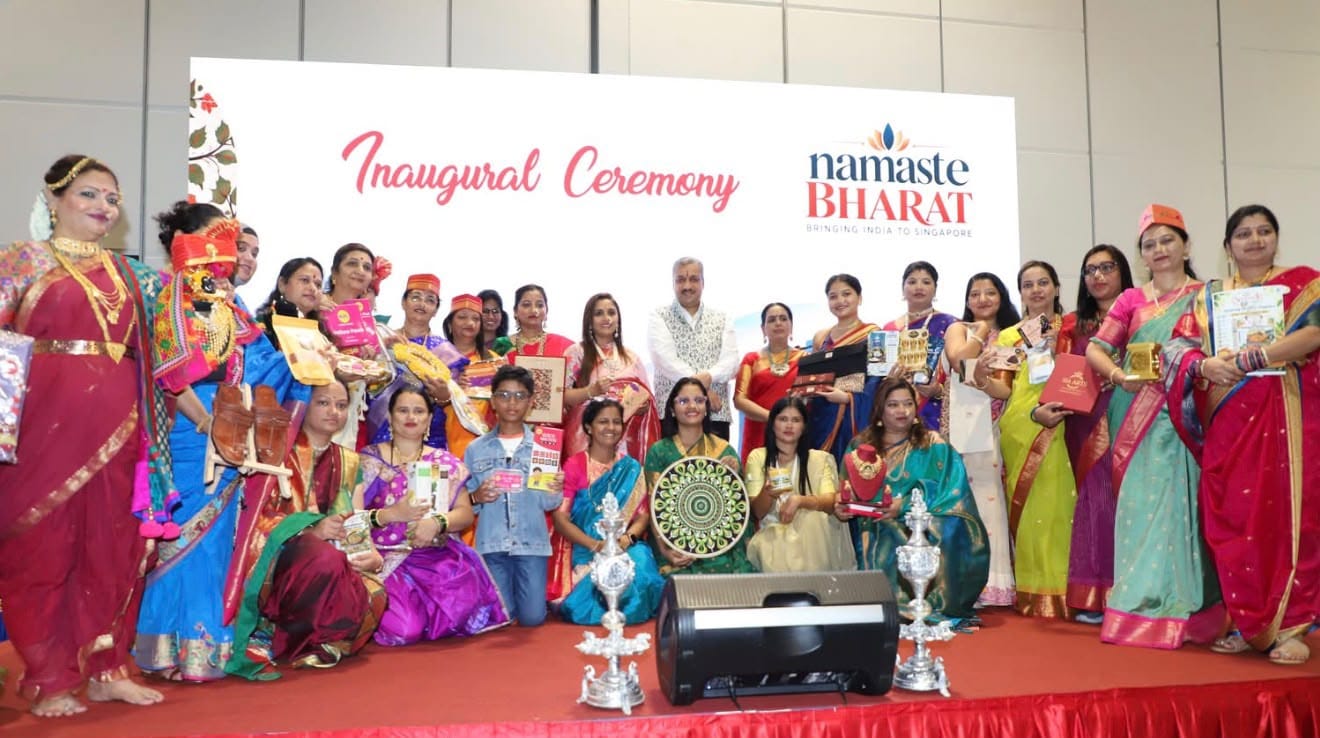
For these entrepreneurs, the exhibition offers both a shopfront and a testing ground. What attracts attention? Which products invite questions? Can a conversation at a stall develop into a business relationship after the exhibition closes?
Welcoming the delegation on Friday, Indian High Commissioner Dr Shilpak Ambule pointed to the opportunity Singapore presents.
“Singapore is a high-value market, and you can actually promote your products here,” he told the entrepreneurs.
His remarks placed their participation within a wider effort to build connections between Singapore and businesses across India’s states, extending beyond the major metropolitan centres. For the women at the pavilion, that ambition has an immediate, practical form: introducing something they have made to someone who may become their next customer.
The biryani break
Then there is the invitation to put shopping on hold.
The biryani festival gives Namaste Bharat a generous culinary centre, offering visitors another reason to gather and linger. In an exhibition filled with things to take home, food supplies the pleasure of enjoying something on the spot.
Biryani is particularly well suited to such a gathering. It carries regional loyalties, family memories and strongly held opinions about rice, spice and preparation. At Suntec, it also provides a common language across a diverse audience.
The food festival broadens the occasion from a shopping expedition into an outing: browse a little, eat together, and return to the stalls with time for another discovery.
A herbal tradition introduces itself
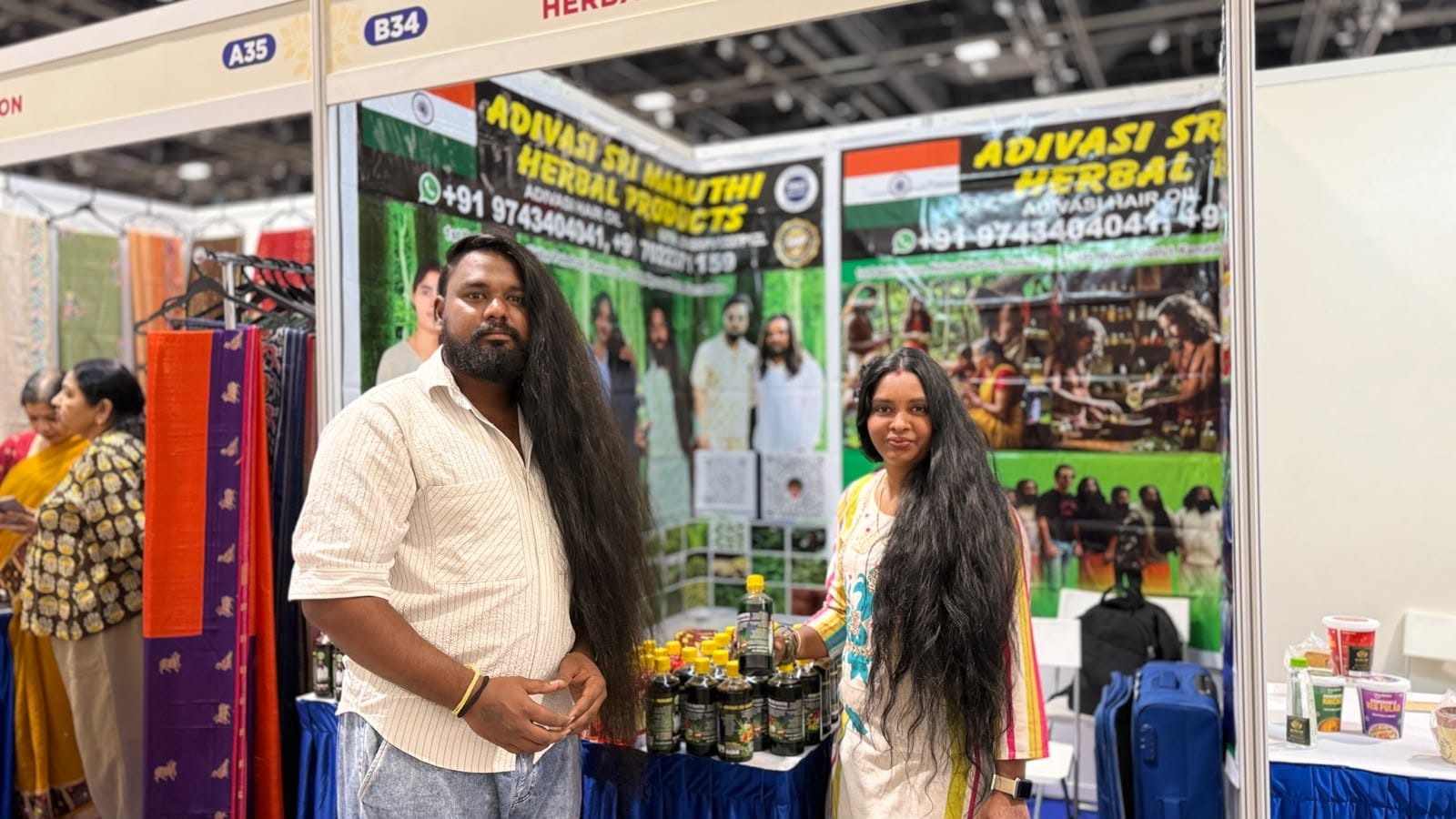
At Adivasi Sri Maruthi Herbal Products, the introduction is unusually memorable. The sales representatives’ exceptionally long hair immediately draws attention to the bottles of herbal oil arranged before them.
Their appearance is a striking part of the presentation, while the products themselves open a conversation about traditional approaches to personal care.
The brand offers hair oils, shampoos and massage oils, and traces its inspiration to the botanical knowledge of Karnataka’s Hakki Pikki community. It presents its formulations as an expression of herbal practices passed through generations.
For visitors, the encounter offers something a product listing alone cannot: an opportunity to ask about preparation, ingredients and the traditions behind the range. The representatives’ flowing hair supplies the visual interest; the story they bring supplies the cultural context.
A different future for the disposable spoon
At Kiser Exports, an everyday object prompts a different question: what if the spoon need not be thrown away?
The company promotes millet-based edible cutlery, described by the business as biodegradable, alongside millet foods, makhana snacks and alternatives to conventional disposable products.
There is an appealing connection between these offerings. Millets appear both as food and as a material for making something useful at the table. An ingredient associated with Indian kitchens is being presented in a form that addresses contemporary concerns about consumption and waste.
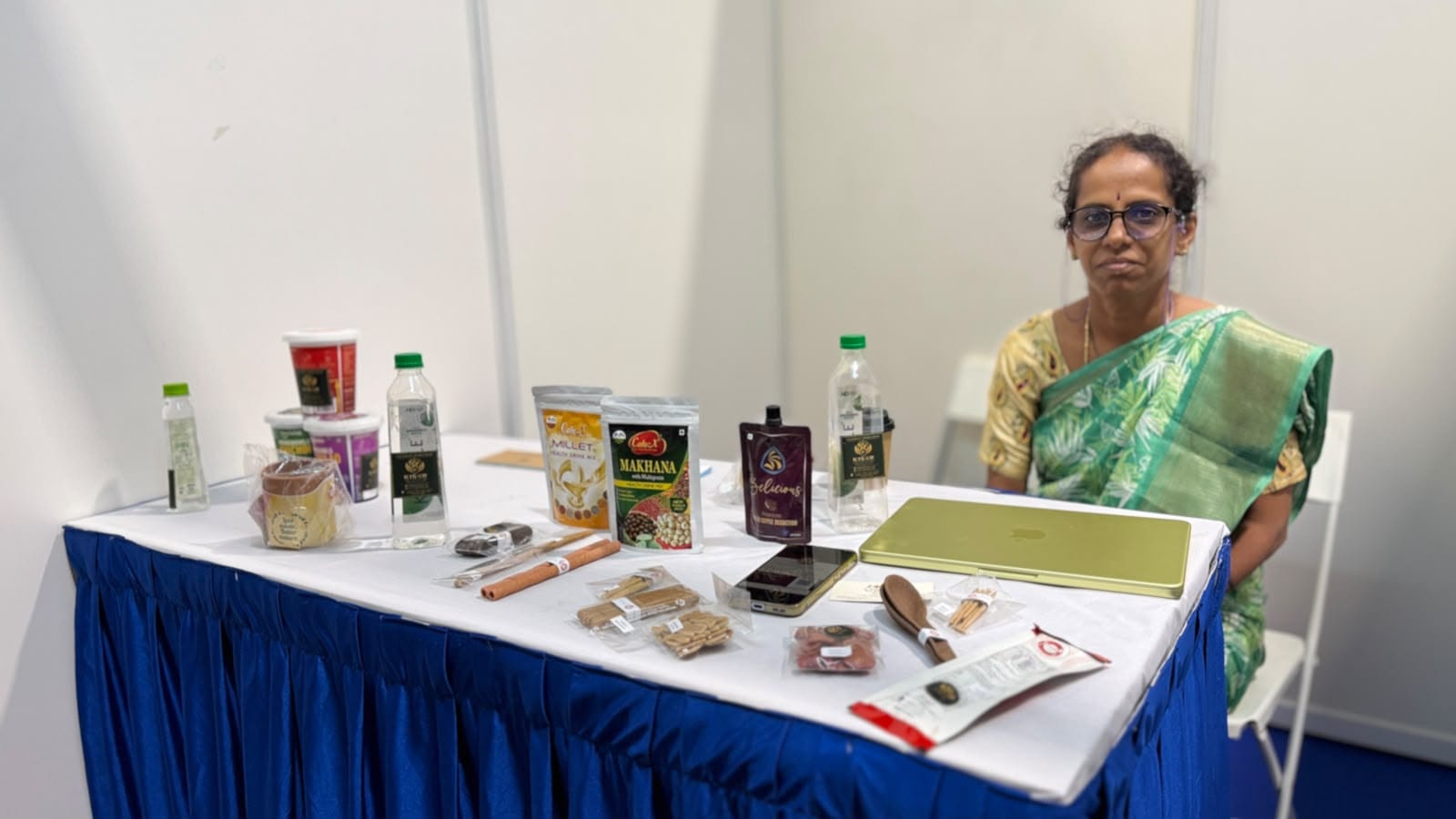
The stall brings that discussion down to a manageable scale. Environmental responsibility can seem remote when expressed through large targets and global statistics. A spoon, a snack packet or a food container is something a visitor can examine, question and imagine using.
Kiser’s display makes room for precisely that kind of curiosity.
Something to consider beyond appearance
Among the clothes and ornaments, another conversation turns towards the meaning people attach to material choices.
Representatives discussing the work of the Spiritual Science Research Foundation and Maharshi Adhyatma Vishwavidyalay invite visitors to consider clothing, jewellery and fragrances through the lens of spiritual practice.
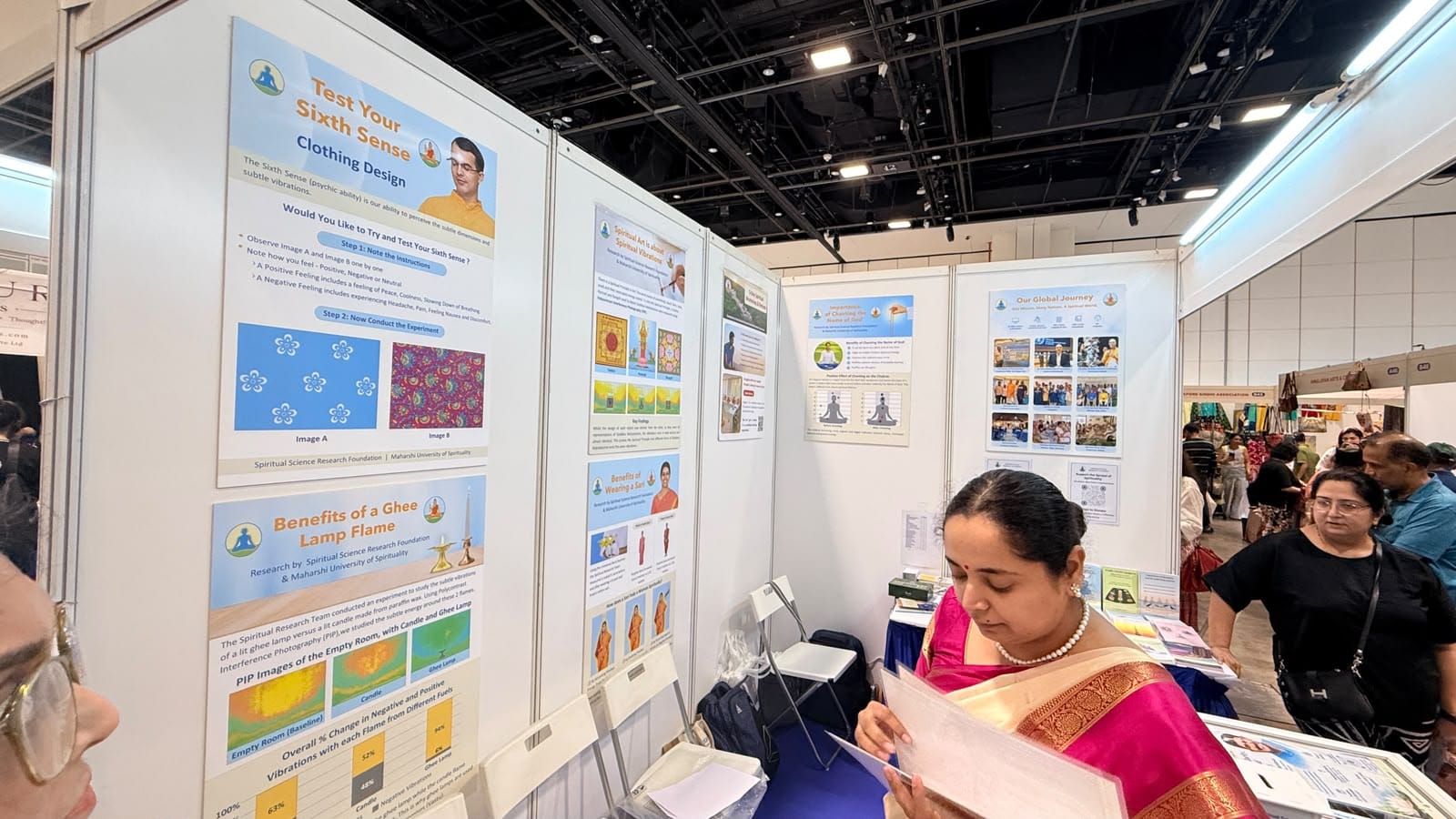
In a conversation at the exhibition, a representative described the organisations’ approach to sattvic living, including their belief that fabrics, designs and everyday surroundings can influence a person’s spiritual experience. The discussion also touched on chanting, service and sustained personal practice.
These are the organisations’ spiritual interpretations and claims. Their presence nevertheless introduces an intriguing pause within a consumer exhibition. Where a shopper might ordinarily ask whether an ornament suits an outfit, the discussion asks what significance the wearer gives it.
In a hall devoted largely to choosing things, it makes space for reflection on how choices are made.
Meeting the makers
For organiser Purnima Kamath, founder of De Ideaz, the connection between products and their makers is central to the exhibition’s purpose.
Speaking during the opening coverage, she emphasised the participation of producers from villages and cities across India, describing the exhibitors as “actual authentic manufacturers who produce handcrafted goods”.
That emphasis gives Namaste Bharat its strongest thread. The Maharashtra entrepreneurs, the herbal-products representatives and the businesses experimenting with edible cutlery bring different ambitions to the same floor. Each is seeking an audience, but each also gives visitors a glimpse of the work and thinking behind the display.
Organisers expect more than 10,000 visitors over the four days. Some will arrive with a shopping list; others may come for biryani, an afternoon with family or the chance to browse.
What rewards a slower walk through Hall 405 is the possibility of leaving with an unexpected story as well as a purchase.
Namaste Bharat 2026 runs until October 25 at Hall 405, Suntec Singapore Convention and Exhibition Centre.