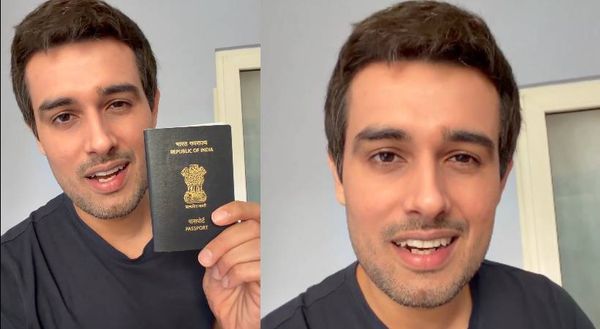
Canada's New Immigration Rules Take Effect June 1: What International Students and Workers Need to Know

Ottawa: Canada has implemented sweeping changes to its immigration and visa regulations effective June 1, 2026, affecting international students, work permit holders, and certain family visa categories. The changes were announced by Immigration, Refugees and Citizenship Canada (IRCC) as part of its effort to better manage temporary resident flows and align immigration with economic priorities. These updates reflect Canada's broader strategy to reduce temporary resident levels while prioritizing skilled workers and high-level students aligned with economic needs.
The most significant update concerns study permit requirements for international students. Master's and doctoral students at public institutions are now exempt from the Provincial Attestation Letter (PAL) requirement, which was introduced in 2024 to manage study permit numbers. Additionally, students enrolled in joint programs between institutions will now need only one provincial attestation letter instead of multiple letters, simplifying the application process. However, Canada has also introduced study permit caps for 2026, meaning fewer study permits will be granted compared to previous years.
New work permit regulations include a simplified extension system for expiring permits and higher financial requirements due to increased cost of living. The new minimum salary threshold is $28.50/hour, and workers who submit extensions before expiry now receive up to 180 days of implied status, an increase from the previous 120 days. There are also stricter employer verification checks in place for LMIA and LMIA-exempt categories to prevent exploitation and ensure compliance.
Open Work Permit restrictions for family members remain in force following earlier changes that took effect on January 21, 2025. Only spouses of certain international students and foreign workers can apply for family Open Work Permits. Spouses of students are eligible only if enrolled in master's programs lasting 16 months or longer, doctoral programs, or select professional programs such as Medicine, Law, and Engineering. For foreign workers, OWPs are limited to spouses of those employed in TEER 0 or 1 occupations or select TEER 2/3 occupations in sectors with labour shortages, including natural sciences, construction, healthcare, and education. Dependent children no longer qualify for family OWPs.
IRCC has also established a new pathway to permanent residence as part of its 2025-2026 Departmental Plan, alongside a new work permit stream being launched. Additionally, travelers from 67 countries will now qualify for an Electronic Travel Authorization instead of requiring a full visa, streamlining entry for short-term visitors. Applicants with a valid commitment from a designated organization made in 2025 have until June 30, 2026, to apply, after which IRCC has stopped accepting new applications for certain work permit programs. The minimum proof of funds required for 2026 has also been updated, with single applicants needing $12,960 CAD, couples requiring $16,500 CAD, and families of four needing $25,000 CAD. These funds must be readily available and not borrowed. These updates are part of IRCC's ongoing modernization efforts, including faster processing through the agency's digital system, while maintaining stricter controls on lower-skilled occupations and family dependents to ensure Canada's immigration system remains sustainable and aligned with economic priorities.