Where devotion found a contemporary rhythm
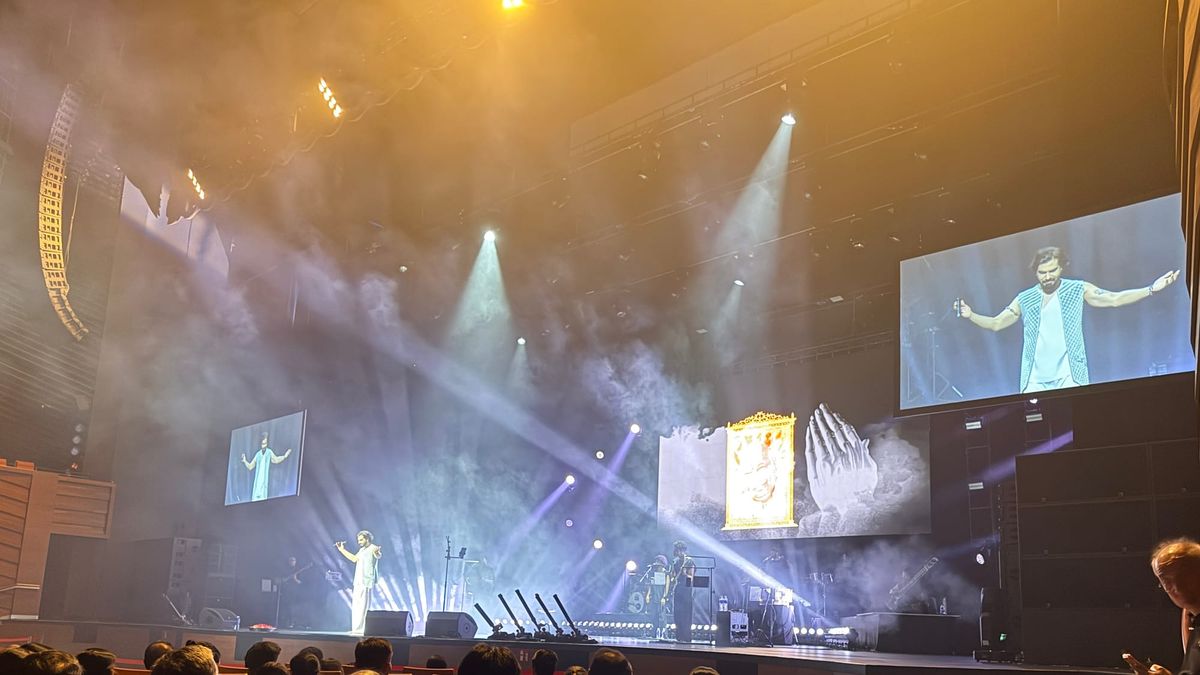
Shivoham & Band’s Anhad Naad transformed The Star Theatre into a space of meditation, music and shared spiritual energy
By Rajesh Kumar | PravasiExpress
SINGAPORE: A brief meditation preceded the first notes of music. It was a thoughtful beginning to an evening that would soon gather rhythm, colour and intensity, as Anhad Naad – The Healing Tour brought Shivoham & Band to The Star Theatre on August 22. Presented in Singapore by Rocking Rickshaw, the concert marked a significant addition to the city’s evolving Indian cultural landscape.
Billed as Singapore’s first Bhajan Jamming Concert, the production brought devotional music into a contemporary concert setting while preserving its spiritual essence. It offered an engaging new way for audiences to experience bhakti—through meditation, live music, immersive visuals and collective participation.
Led by Paddy Shivoham and supported by an 18-member live ensemble, the concert brought together sacred chants, familiar bhajans, layered percussion and cinematic arrangements. Expansive visuals, carefully synchronised with the music, enriched the presentation and gave the compositions a compelling theatrical dimension.
What emerged was more than a conventional concert. Anhad Naad created a meeting point between the intimacy of a bhajan gathering and the scale of a major live production, retaining the emotional directness of devotion while embracing contemporary musical expression.
Shivoham & Band moved effortlessly between meditative passages and energetic crescendos. The quieter compositions invited reflection, while the rhythmic numbers encouraged the audience to sing and respond. As familiar refrains rose across the auditorium, the performance became a shared act of devotion rather than something witnessed from a distance.
The evening’s appeal was visible across generations. Younger listeners connected readily with the pulsating rhythms and modern arrangements, while elderly members of the audience appeared equally relaxed and absorbed in the experience. Devotion did not feel confined by age, convention or a prescribed form of participation.
This intergenerational connection also revealed the wider relevance of the format. In a city where demanding schedules often leave little room for reflection, Anhad Naad offered an accessible pathway to spiritual engagement. For a few hours, audiences could step away from everyday pressures, listen, sing and rediscover a sense of inner stillness.
The visual design strengthened that experience. Images unfolding across the screens followed the emotional movement of the music, allowing familiar bhajans to acquire renewed narrative force. When music, imagery and audience participation converged, The Star Theatre seemed filled with a distinctive divine energy—celebratory in expression and contemplative at its heart.
The word “jamming” may suggest spontaneity and youthful informality, but in this context it assumed a deeper significance. It helped remove some of the perceived barriers surrounding devotional practice, making bhakti welcoming and participatory. One could sit in quiet reflection, sing along or surrender to the rhythm; each became a meaningful way of engaging with the evening.
The musicians maintained warmth and sincerity throughout, ensuring that the production’s impressive scale remained firmly rooted in its devotional purpose. The concert’s technical elements did not compete with the music; they elevated its emotional and spiritual resonance.
By the close of the evening, Anhad Naad had demonstrated that tradition can embrace contemporary expression without losing its soul. Bhajans could inhabit a major theatre, converse with modern instrumentation and visual technology, and still fulfil their essential purpose: creating a connection with something beyond the self.
For Singapore’s Indian community, the concert was more than a new addition to the cultural calendar. It was an uplifting affirmation that devotion can move with the rhythms of modern life while remaining timeless at its core.